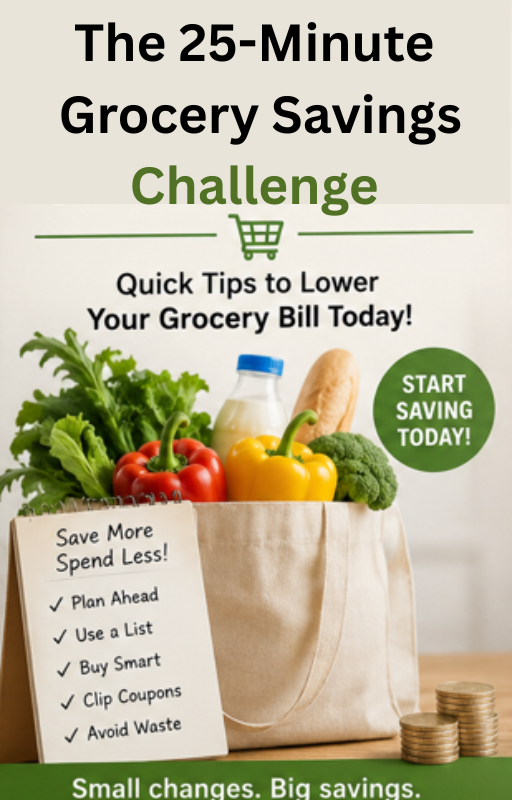
Introduction to Saving Money on Groceries Without Eating Less
Understanding Your Grocery Budget for Saving Money on Groceries Without Eating Less
Creating a Smart Shopping List for Saving Money on Groceries Without Eating Less
Choosing Seasonal Produce for Saving Money on Groceries Without Eating Less
Meal Planning Strategies for Saving Money on Groceries Without Eating Less
Bulk Buying and Its Benefits for Saving Money on Groceries Without Eating Less
Utilizing Coupons and Discounts for Saving Money on Groceries Without Eating Less
The Importance of Proper Food Storage for Saving Money on Groceries Without Eating Less
Exploring Alternative Grocery Stores for Saving Money on Groceries Without Eating Less
Recap Sustainable Practices for Saving Money on Groceries Without Eating Less
Understanding Your Grocery Budget for Saving Money on Groceries Without Eating Less
Creating a Smart Shopping List for Saving Money on Groceries Without Eating Less
Choosing Seasonal Produce for Saving Money on Groceries Without Eating Less
Meal Planning Strategies for Saving Money on Groceries Without Eating Less
Bulk Buying and Its Benefits for Saving Money on Groceries Without Eating Less
Utilizing Coupons and Discounts for Saving Money on Groceries Without Eating Less
The Importance of Proper Food Storage for Saving Money on Groceries Without Eating Less
Exploring Alternative Grocery Stores for Saving Money on Groceries Without Eating Less
Recap Sustainable Practices for Saving Money on Groceries Without Eating Less
Recap Sustainable Practices for Saving Money on Groceries Without Eating Less
Sustainable Practices for Saving Money on Groceries
Saving money on groceries and making more sustainable choices can actually go hand in hand.
Many habits that reduce food waste, unnecessary purchases, and excessive packaging can also help keep more money in your wallet.
The key is to focus on practical changes that you can maintain over time.
Reduce Food Waste
One of the easiest ways to save money is to use the food you already purchase.
Plan meals around ingredients you have on hand and keep track of foods that need to be used soon.
Before throwing something away, consider whether it can be used in another meal.
Leftover vegetables can become soup, cooked meat can become sandwiches, and slightly soft fruit can often be used in smoothies or baking.
Buy Only What You Need
Buying more than your household can use creates unnecessary waste.
While bulk purchases can sometimes save money, they aren't a bargain if food spoils before you have a chance to eat it.
Purchase realistic quantities based on your family's eating habits.
Choose Reusable Options
Reusable shopping bags, food storage containers, and water bottles can reduce the need to repeatedly purchase disposable alternatives.
While the savings from each individual item may be small, those savings can add up over time.
Plan Your Shopping Trips
Planning your meals and grocery list before shopping can reduce both food waste and impulse purchases.
A well-organized list helps you focus on the items you actually need.
You can also combine errands when possible, reducing unnecessary trips and transportation costs.
Make Sustainable Choices Work for Your Budget
Sustainable grocery shopping doesn't have to mean buying expensive specialty products.
Often, it's simply about buying thoughtfully, using what you have, reducing waste, and avoiding unnecessary purchases.
Small changes can make a difference over time.
Want more practical ideas for saving money on groceries? Get my FREE ebook for additional strategies that can help you reduce waste, shop smarter, and stretch your grocery budget further.