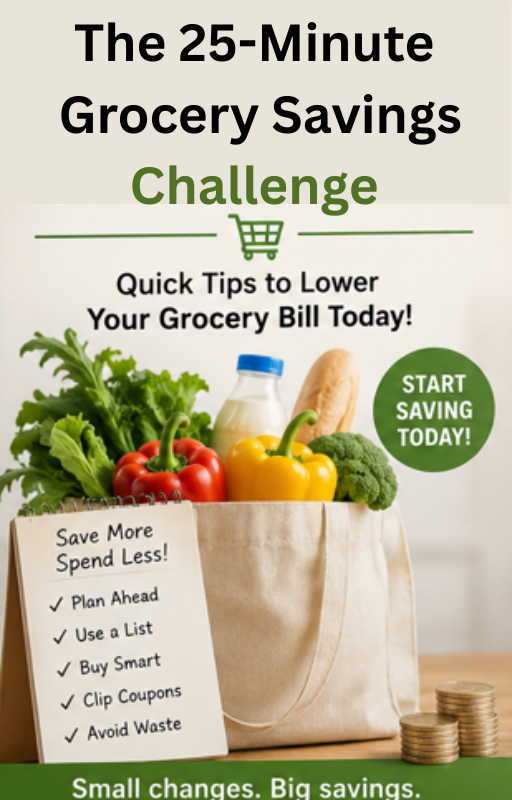
Introduction to Saving Money on Groceries Without Eating Less
Understanding Your Grocery Budget for Saving Money on Groceries Without Eating Less
Creating a Smart Shopping List for Saving Money on Groceries Without Eating Less
Choosing Seasonal Produce for Saving Money on Groceries Without Eating Less
Meal Planning Strategies for Saving Money on Groceries Without Eating Less
Bulk Buying and Its Benefits for Saving Money on Groceries Without Eating Less
Utilizing Coupons and Discounts for Saving Money on Groceries Without Eating Less
The Importance of Proper Food Storage for Saving Money on Groceries Without Eating Less
Exploring Alternative Grocery Stores for Saving Money on Groceries Without Eating Less
Recap Sustainable Practices for Saving Money on Groceries Without Eating Less
Understanding Your Grocery Budget for Saving Money on Groceries Without Eating Less
Creating a Smart Shopping List for Saving Money on Groceries Without Eating Less
Choosing Seasonal Produce for Saving Money on Groceries Without Eating Less
Meal Planning Strategies for Saving Money on Groceries Without Eating Less
Bulk Buying and Its Benefits for Saving Money on Groceries Without Eating Less
Utilizing Coupons and Discounts for Saving Money on Groceries Without Eating Less
The Importance of Proper Food Storage for Saving Money on Groceries Without Eating Less
Exploring Alternative Grocery Stores for Saving Money on Groceries Without Eating Less
Recap Sustainable Practices for Saving Money on Groceries Without Eating Less
Meal Planning Strategies for Saving Money on Groceries Without Eating Less
Meal Planning Strategies for Saving Money
If you're trying to lower your grocery bill, meal planning can be one of the simplest and most effective strategies to put into practice.
Instead of deciding what to eat at the last minute, you create a plan before you shop.
This can help you buy only what you need, reduce food waste, and avoid expensive impulse purchases.
Start With What You Already Have
Before creating your grocery list, check your refrigerator, freezer, and pantry.
You may already have ingredients that can be turned into several meals.
For example, leftover vegetables might become part of a soup, while cooked chicken could be used for sandwiches, salads, or tacos.
Using what you already have means fewer items need to be purchased.
Plan Around Affordable Ingredients
You don't have to plan complicated meals to save money.
Build meals around affordable staples such as rice, pasta, beans, potatoes, eggs, oats, and seasonal vegetables.
When meat or other higher-priced foods are on sale, you can plan meals around them as well.
Use Ingredients More Than Once
One of the smartest meal-planning strategies is choosing ingredients that can be used in multiple meals.
If you buy a large package of vegetables, for example, plan several meals that use them.
This helps prevent food from sitting unused in the refrigerator until it needs to be thrown away.
Keep Your Plan Flexible
Meal planning doesn't mean you have to follow your schedule perfectly.
If you notice that a particular ingredient is on sale, consider adjusting your plan.
The goal is to create a system that helps you spend less while still enjoying meals your family likes.
Meal planning can turn grocery shopping from a guessing game into a more organized and budget-friendly process.
Want more practical ways to save money on groceries? Get my FREE ebook for additional grocery-saving strategies you can start using today.