
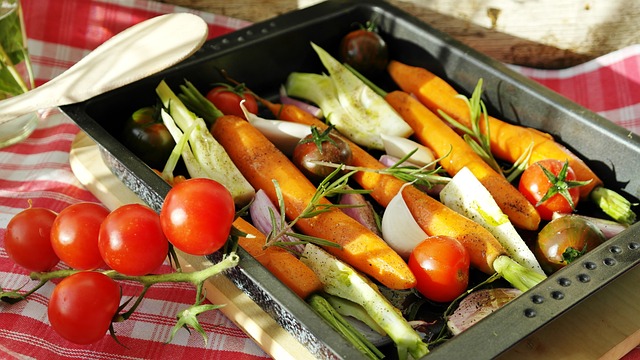
Introduction to Vegan Cooking
What Is Vegan Cooking
Vegan cooking is becoming increasingly popular as more people adopt a plant-based lifestyle for ethical, environmental, and health reasons. Veganism excludes any animal products, including meat, dairy, eggs, and honey, and focuses on consuming fruits, vegetables, legumes, whole grains, nuts, and seeds. Whether you're new to veganism or simply looking to incorporate more plant-based meals into your diet, this introduction to vegan cooking will provide you with some essential information and tips to get started.
One of the key principles of vegan cooking is replicating the flavors and textures of traditional animal-based dishes using plant-based ingredients. For example, tofu and tempeh are often used as substitutes for meat, while cashews and nutritional yeast can create a creamy and cheesy texture in dairy-free recipes. Experimenting with spices, herbs, and different cooking techniques can significantly enhance the flavors of vegan dishes.
Vegan Cooking
A well-stocked pantry is essential for successful vegan cooking. Keep your kitchen stocked with staples such as grains (quinoa, rice, oats), legumes (beans, lentils, chickpeas), canned tomatoes, vegetable broth, a variety of spices, and different types of nuts and seeds. Having these ingredients readily available will make it easier to whip up delicious vegan meals at any time.
For beginners, it's helpful to explore vegan recipes and cookbooks to gather inspiration and learn new techniques. There are countless online resources, blogs, and YouTube channels dedicated to vegan cooking. Exploring these sources will provide you with a wide range of ideas for breakfast, lunch, dinner, snacks, and desserts.
When starting out, it's important to be patient with yourself and accept that not every dish will turn out perfectly. Experimentation and practice play a crucial role in developing your skills as a vegan cook. Don't be afraid to try new things and learn from both your successes and failures.
Another valuable tip is to gradually transition into vegan cooking. Start by Meatless Mondays or designating specific days to have entirely plant-based meals. This approach allows you to understand the nuances of vegan cooking without overwhelming yourself. You can gradually increase the number of vegan meals each week until you reach your desired level of plant-based eating.
While vegan cooking primarily focuses on whole foods, there are many plant-based alternatives available in stores. These can be useful for recreating your favorite non-vegan dishes. From plant-based milks and cheeses to meat alternatives like seitan and jackfruit, the variety of vegan products on the market continues to expand. However, it's essential to check the ingredient labels to ensure that these products align with your dietary preferences and nutritional needs.
Lastly, vegan cooking encourages creativity and embracing a wide range of flavors. Don't limit yourself to simple salads – explore cuisines from around the world and experiment with unique spices and ingredients. Vegan cooking is an opportunity to broaden your culinary horizons and create exciting and delicious meals that benefit your health, animals, and the planet.